
NEWS
CLM Team Identifies Stock-Outs, Poor Attitude of Health Workers in Abia Facilities.

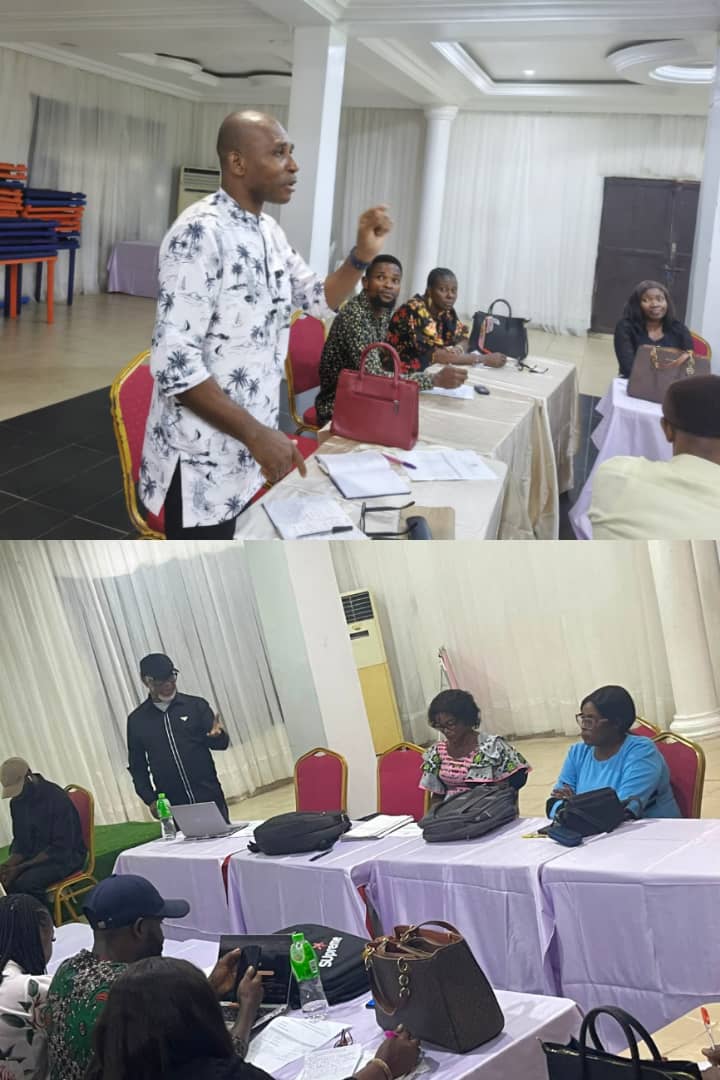
CLM Team Identifies Stock-Outs, Poor Attitude of Health Workers in Abia Facilities.
In a CLM Media Roundtable engagement meeting organized by Network of People Living with HIV/AIDS in Nigeria (NEPWHAN) where the three Community Based Organizations implementing CLM in Abia State identified gaps in some healthcare facilities, these gaps include Stock-Out of HIV, Malaria and TB commodities, poor attitude of health workers, unprofessional service delivery by OICs in some Primary Health Centers, out of pocket expenses.
The roundtable, which brought together media practitioners, implementing partners and government representatives, was aimed at sharing findings from Community Led Monitoring (CLM) activities and strengthening collaboration for improved health service delivery in the state.
Speaking at the event, the Director General, Abia State Agency for the Control of HIV/AIDS (ABSACA), Dr. Uloaku Ukaegbu, lauded the commitment of the CLM team in supporting government efforts towards ensuring quality and accessible services in public healthcare facilities.
Dr. Ukaegbu, who was represented by the Monitoring and Evaluation Officer of the Agency, Mr. Ndubuisi Kanu, described the media roundtable as apt and timely. She commended the CLM team for enlightening communities on available health services and for providing data-driven information that helps to improve infrastructure and service delivery. She assured that the State Government will continue to take necessary steps to close the gaps identified.
Also speaking, the State Program Monitoring and Evaluation Officer of NEPWHAN, Chief Whyte Ikocha, noted that the CLM team has been proactive in ensuring that commodities and materials provided for healthcare facilities are used for their intended purposes. According to him, the team has also sensitized communities that services such as HIV, TB, and Malaria are free, stressing that the goal is to ensure that government investment in the health sector is felt by the people.
In their separate remarks, the Monitoring and Evaluation Officer of Greater Women Initiative for Health and Rights (GWIHR), Mr. Jude Obiano, and his counterpart from (VICLAF) and SHRE, Amb. Martha Onwukwe and Uchenna disclosed that their field monitoring revealed gaps including human resource shortages, commodity stock-outs, and infrastructural deficits across some facilities. They called for urgent government intervention with relevant recommendations to improve service delivery for HIV, TB, and Malaria.
In her remarks, the State Coordinator, Network of People Living with HIV/AIDS in Nigeria (NEPWHAN), Mrs. Rebecca Eze, represented by Mrs. Uwanna Johnson, described the engagement as impactful and appreciated the CLM team and the media for their roles in amplifying community voices.
Responding, the representative of Caritas Nigeria, Mrs. Precious Edoja, and the State Program Manager, TB Network, Dr. Ahamefula Obioha, represented by the State Monitoring and Evaluation Officer, Mrs. Ojiugo Babah, said adequate mechanisms have been deployed to monitor the distribution and utilization of health commodities to ensure accountability and improved access at facility level.
The meeting ended with a call for sustained collaboration between the media, government, and community actors to improve health outcomes in Abia State.