
NEWS
Otti’s Administration Establishes 25 Eye Clinics, Screens Over 31,000 Residents in Abia —Otti Unveils Vision Corridors at World Day Celebration, Urges Drivers to Prioritise Eye Tests


Otti’s Administration Establishes 25 Eye Clinics, Screens Over 31,000 Residents in Abia
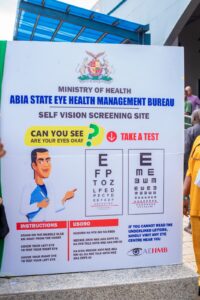
—–Otti Unveils Vision Corridors at World Day Celebration, Urges Drivers to Prioritise Eye Tests.


The Abia State Government has established 25 eye clinics and vision centres across the 17 local government areas of the state, screened 31,152 residents and performed more than 2,000 eye surgeries in a sustained effort to prevent avoidable blindness and improve access to eye care.
Governor Alex Otti stated this during the 2026 World Sight Day Grand Finale held on Thursday, October 15, at the Prof. Nnenna Oti Bus Terminal, Umuahia.
The event, organised by the Abia State Eye Health Management Bureau in collaboration with the Abia State Ministry of Transport, Ministry of Health and the Federal Road Safety Corps (FRSC), was held under the theme, “Safe Eyes, Safe Roads, Safe Lives,” in line with the global call to action, “Love Your Eyes.”
Represented by his Deputy, Engr. Ikechukwu Emetu, Governor Otti reaffirmed his administration’s commitment to promoting preventive healthcare and improving road safety through initiatives that protect the lives and well-being of residents.

Otti said good eyesight was particularly essential for commercial drivers and transport operators, whose vision directly affects the safety of passengers, pedestrians and other road users.
He described the initiative as an important link between eye health and road safety, noting that drivers depend on clear vision to read road signs, judge distances, identify hazards and respond promptly to changing traffic conditions.
The governor commended the Abia State Eye Health Management Bureau and its collaborating agencies for taking eye care services directly to transport operators and the commuting public.

He urged drivers to take advantage of the free eye-screening exercise and embrace regular eye examinations as part of their professional responsibilities.
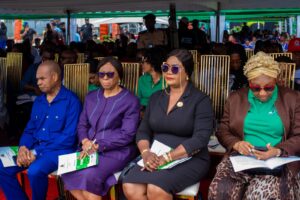
Otti also commended the FRSC’s road safety presentation and the Safe Driver Pledge, describing the pledge as a commitment to regular eye checks, obedience to traffic regulations and responsible driving.
He said the state government would continue to support programmes that promote public health and safer roads, adding that investing in the health of drivers was an investment in the safety and prosperity of the state.
The governor subsequently unveiled one of the vision corridors at the terminal, describing it as a permanent reminder to drivers and other road users to check their eyesight, drive safely and protect human lives.
Earlier, the Administrator of the Abia State Eye Health Management Bureau, Dr. Betty Emeka Obasi, said the bureau had attended to more than 33,884 patients in just over two years, conducted free community screenings for 31,152 people and carried out over 2,000 surgeries, including cataract operations.

She disclosed that more than 6,381 cases of glaucoma had been identified, stressing that the disease could cause irreversible blindness if not detected and treated early.
According to her, the establishment of 25 eye clinics and vision centres across the state had expanded access to eye care, while community outreaches had helped bring services closer to residents who might otherwise delay seeking medical attention.
Obasi said the choice of the bus terminal for the celebration was deliberate because thousands of passengers and transport operators pass through the facility daily, making it an appropriate location to promote the connection between good eyesight and road safety.
She urged commercial drivers to undergo regular eye examinations, particularly as they grow older, and to seek professional care rather than patronise unqualified practitioners or use unprescribed eye medications.
The administrator also encouraged parents and teachers to ensure that children receive eye examinations, noting that early detection of visual problems could improve learning and prevent avoidable complications.
She attributed the bureau’s achievements to the support of Governor Otti, saying the administration’s commitment to health sector transformation had helped strengthen eye care services in the state.
In his address, the Commissioner for Health, Prof. Enoch Ogbonnaya Uche, said good vision was essential to preventing road crashes and protecting the lives of drivers, passengers and pedestrians.
Uche explained that visual impairment could affect a driver’s ability to recognise road signs, estimate distances, identify pedestrians and respond quickly to hazards, thereby increasing the risk of accidents.
He noted that some eye conditions, including glaucoma and cataracts, could develop gradually without obvious warning signs, making routine eye examinations important even for people who believe their vision is normal.
The commissioner encouraged drivers to take advantage of the screening services available at the event and seek prompt treatment where necessary.
He also disclosed that community eye care services had been integrated into the service plans of revitalised primary healthcare centres and other levels of care in the state under the administration’s health system transformation agenda, including Project Ekwueme.
According to him, collaboration among health institutions, transport authorities, the FRSC, transport unions and communities was necessary to improve access to eye care and promote responsible driving.
Also speaking, the Commissioner for Transport, Dr. Chimezie Isaac Ukaegbu, said the state government recognised routine eye examinations as an important preventive measure within its broader transport management and road safety strategies.

He said the ministry would continue to work with the Eye Health Management Bureau, health institutions, transport unions and road safety agencies to promote regular vision screening and responsible driving practices across Abia.
Ukaegbu urged commercial drivers, tricycle operators and other motorists to prioritise eye examinations, while calling on transport unions and fleet managers to encourage regular vision assessments among their members and employees.
In her remarks, the Abia State Sector Commander of the FRSC, Corps Commander Ngozi I. Ezeoma, warned that driving with impaired vision could lead to delayed reactions, poor judgement during overtaking, failure to recognise traffic signals and an increased risk of road crashes.
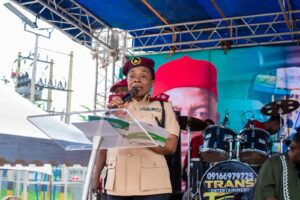
She stressed that driving experience could not replace good eyesight and called on drivers to comply with vision assessment requirements during the driver’s licensing process.

Ezeoma also urged fleet operators and transport union leaders to make periodic eye examinations part of their drivers’ welfare and safety programmes.
She advised drivers experiencing blurred vision, difficulty seeing at night or other visual challenges to consult qualified eye-care professionals and avoid self-medication.
The FRSC sector commander further encouraged passengers to speak up when they observe unsafe driving practices, reaffirming the corps’ commitment to public enlightenment, stakeholder collaboration and enforcement of road safety standards.
A major highlight of the event was the presentation of a keynote address on World Sight Day and the theme, “Safe Eyes, Safe Roads, Safe Lives,” by Dr. Ijeoma Ugboaku Alozie.

The programme also featured the presentation of awards and recognition to stakeholders and partner organisations, as well as prizes to winners of the inter-school competition organised as part of activities to promote eye health awareness and road safety among students.