
NEWS
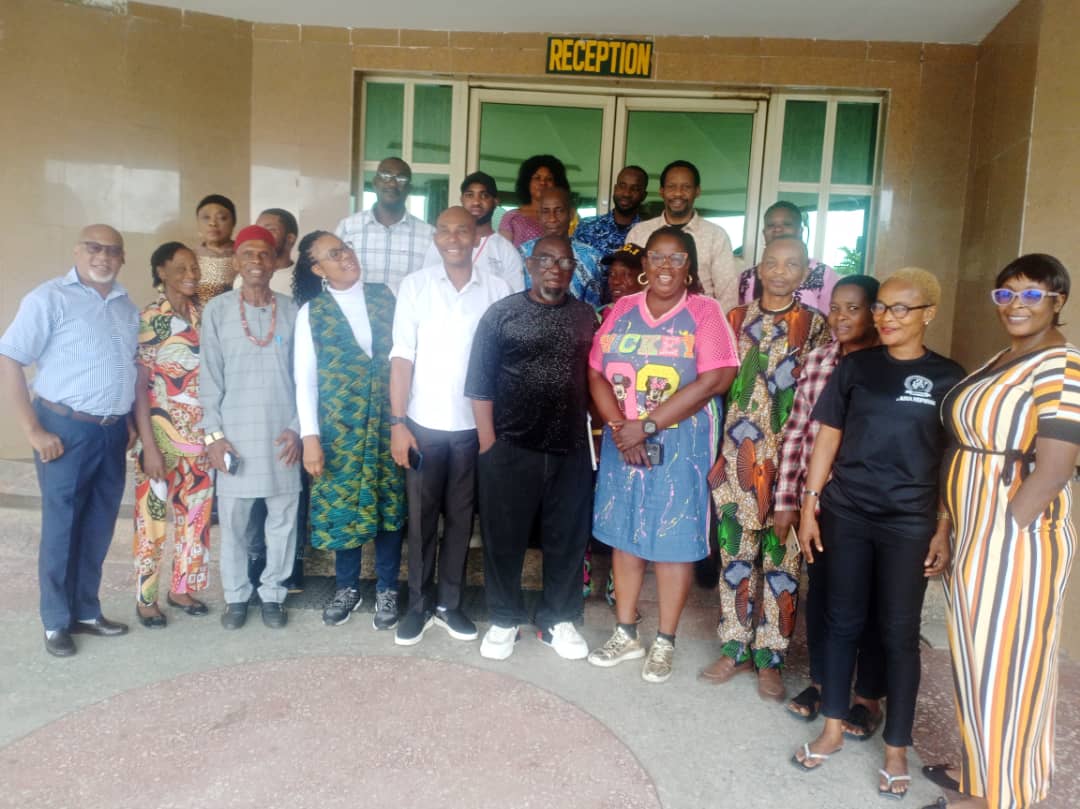
CLM Framework Implementation Gains Momentum as Stakeholders Converge in Umuahia

CLM Framework Implementation Gains Momentum as Stakeholders Converge in Umuahia
A two-day stepdown meeting focused on the operational modalities of the National Community-Led Monitoring (CLM) Plan for HIV/AIDS response has concluded in Umuahia, the Abia State capital, with stakeholders advocating for the full implementation of the CLM framework at the state level.

The session aimed to deepen stakeholders’ understanding of CLM and Community Systems Strengthening (CSS) approaches within the broader HIV/AIDS response framework. It also served as a platform for evaluating existing systems and fostering collaborative input for improved implementation strategies.
Delivering a message during the meeting, the Director General of the Abia State Agency for the Control of HIV/AIDS, Dr. Uloaku Ukaegbu, emphasized that CLM is essential for enhancing HIV/AIDS response through improved data gathering, feedback mechanisms, and accountability structures. Her remarks were conveyed by Mr. Ndubuisi Kanu, Head of Monitoring and Evaluation at the agency, who reaffirmed the state’s commitment to a results-driven HIV/AIDS intervention.
In his presentation, Mr. Richard Okoro, the State Coordinator of ACOMIN, described CLM and CSS as progressive models that enhance community engagement and accountability, while strengthening data collection and ownership in the response to HIV/AIDS, tuberculosis (TB), and malaria. He stressed the importance of sustained government funding to ensure long-term impact.
Chief Whyte Ikocha, Southeast Coordinator of NEPWAN, noted that the CLM and CSS frameworks promote unified stakeholder collaboration, a vital ingredient for achieving improved outcomes in the fight against HIV/AIDS, TB, and malaria.
Speaking on behalf of the National Human Rights Commission, Mr. Uche Ahuaka representing State Coordinator Mrs. Uche Nwokocha—reiterated the Commission’s readiness to address human rights violations, especially those affecting people living with HIV/AIDS.
Mrs. Rebecca Ezeh, NEPWAN’s State Program Coordinator, highlighted the need for a collaborative approach involving government and communities to ensure the successful and sustainable implementation of the national CLM and CSS models at the state level.
The meeting also featured goodwill messages from key stakeholders, including the Greater Women Initiative and the TB Network, emphasizing shared commitment to improved health outcomes.