
NEWS
SHRE LEADS HIGH-LEVEL ADVOCACY, SECURES COMMITMENTS TO IMPROVE HIV, TB AND MALARIA SERVICES IN ABIA STATE

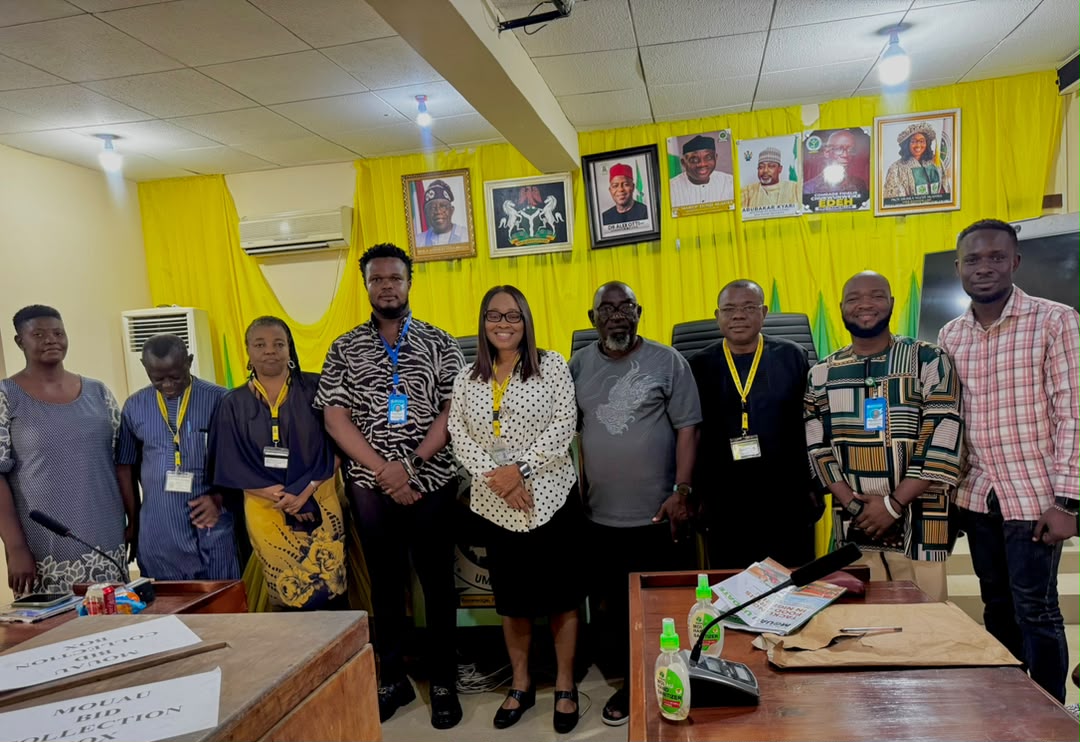
SHRE LEADS HIGH-LEVEL ADVOCACY, SECURES COMMITMENTS TO IMPROVE HIV, TB AND MALARIA SERVICES IN ABIA STATE
Synergy for Health Rights and Education (SHRE), a Sub-Sub Recipient (SSR) to the Network of People Living with HIV/AIDS in Nigeria (NEPWHAN), recorded another significant milestone in advancing community led accountability by securing high level commitments from key government and institutional stakeholders to address critical health service delivery gaps identified through the Community Led Monitoring (CLM) component of the Global Fund GC7 N-THRIP Project in Abia State.
As part of activities to strengthen accountability and improve the quality of HIV, Tuberculosis (TB), and Malaria (ATM) services, SHRE, in collaboration with the State Advocacy Team, conducted strategic advocacy visits to the State AIDS and STI Control Program (SASCP), Abia State Ministry of Health, on 17 June 2026, and to the Vice Chancellor and Management of Michael Okpara University of Agriculture, Umudike (MOUAU), on 24 June 2026.
The advocacy delegation was led by the Executive Director of SHRE, Chidera Kingsley, alongside the organisation’s Program Team comprising the Program Officer, and Monitoring and Evaluation Officer.
The State Advocacy Team included the NEPWHAN State Program and Monitoring & Evaluation Officer, the State Coordinator of the Association of Civil Society Organisations on Malaria Control, Immunization and Nutrition (ACOMIN), and a media representative.
Providing the background to the advocacy engagements, the State Program and M/E Officer of NEPWHAN, Chief Whyte Ikocha highlighted the objectives of the Community-Led Monitoring (CLM) project and its role in strengthening accountability within the health sector.
He explained that the project empowers communities to systematically monitor health services, document clients’ experiences, identify service delivery gaps, and generate evidence that supports informed decision-making and continuous quality improvement.
He further appreciated the stakeholders for creating an enabling environment for community participation and reaffirmed NEPWHAN’s commitment to working collaboratively with government institutions to improve health outcomes across Abia State.
Presenting the findings from the Community-Led Monitoring activities, Franklyn Onyebuchi, Program Officer of SHRE, outlined priority issues requiring urgent attention. During the engagement with SASCP, he highlighted the inconsistent availability of Pre-Exposure Prophylaxis (PrEP) services across facilities and the limited capacity of Primary Healthcare Centers (PHCs) to provide integrated HIV, TB, and Malaria services. He emphasised that strengthening PHCs and decentralising comprehensive ATM services would significantly improve access to quality healthcare, particularly for underserved communities.
At Michael Okpara University of Agriculture, Umudike, the Program Officer of SHRE also presented quantitative evidence generated through CLM activities at the University’s hospital, revealing the absence of functional toilet facilities for clients and the inadequate number of waiting seats available for patients awaiting care. He noted that these infrastructural deficiencies negatively affect clients’ dignity, comfort, privacy, and overall healthcare experience, calling for immediate institutional action to improve service quality.
Responding to the presentation, the State AIDS/STI Program Coordinator (SAPC), Dr Omende Kelechi, commended the advocacy team for presenting credible community generated evidence and acknowledged the identified service delivery gaps.
He reaffirmed the commitment of SASCP to strengthening equitable access to HIV prevention and treatment services across Abia State.
Dr. Kelechi committed to engaging the State Ministry of Health through the Commissioner and the State Primary Health Care Development Agency to explore opportunities for strengthening the technical capacity of Primary Healthcare Centers to provide comprehensive HIV, TB, and Malaria services.
He further pledged to explore sustainable strategies for improving the availability of Pre-Exposure Prophylaxis (PrEP) across service delivery points and to sustain collaboration with Community-Led Monitoring implementing organisations to ensure that community evidence continues to inform program planning, implementation, and quality improvement.
 I’m
I’m
Similarly, the Vice Chancellor of Michael Okpara University of Agriculture, Umudike, Prof. Ursula Ngozi Akanwa, in a warm reception thanked the advocacy team for bringing the issues identified at the University’s hospital to the attention of the management. She described the Community-Led Monitoring approach as timely and impactful, noting that evidence generated directly from service users provides valuable insight for institutional decision-making.
Prof. Akanwa acknowledged the absence of functional toilet facilities and the inadequate waiting seats as critical issues affecting clients’ comfort and dignity.

She assured the advocacy team that the University Management would work closely with the hospital administration to address the identified gaps and explore practical options for implementing the necessary improvements before the commencement of the next academic session.
Speaking at the conclusion of the engagements, Chidera Kingsley, Executive Director of SHRE, expressed appreciation to both institutions for their positive reception and willingness to act on the issues presented. He noted that Community-Led Monitoring is more than a data collection exercise; it is a powerful accountability mechanism that amplifies the voices of communities and ensures that their experiences translate into meaningful health system improvements.
He reaffirmed SHRE’s commitment to working with government agencies, healthcare institutions, civil society organisations, and communities to strengthen accountability, improve service quality, and promote equitable, client-centred HIV, TB, and Malaria services across Abia State.
The successful advocacy visits further demonstrate the value of evidence-based engagement and strategic collaboration in addressing health system challenges. With commitments secured from key duty bearers, SHRE remains optimistic that the identified service delivery and infrastructural gaps will receive the attention they deserve, ultimately contributing to improved healthcare experiences and better health outcomes for the people of Abia State.